Component 02 / Identity
A weight without a plate is just a number.
Automatic number plate recognition is the layer that turns a measurement into a record about a specific vehicle. It is the difference between knowing an overload occurred and being able to say which truck it was.
01 / The identity layer
Evidence needs a subject.
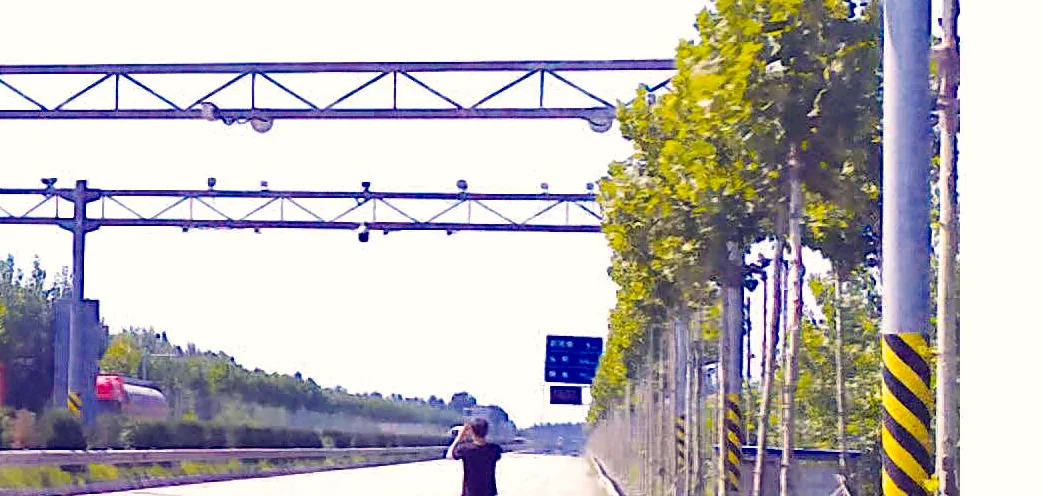
The plate sensor produces an excellent axle profile. On its own, though, that profile is anonymous. Add a plate read, an image and a short video linked to the same timestamp, and the pass becomes a file an authority can act on and a operator can audit.
Our capture subassembly is specified as part of the WIM chain, not as a separate CCTV project. The weight, the plate, the image and the on-screen decision all refer to one event, with one clock. That alignment is what makes the record useful months later, when nobody remembers the shift it happened on.
02 / What it enables
From a reading to a decision.
Once the pass has an identity, the rest of the system can do work that a bare weight cannot support.
Image and video linkage
A flagged pass can be reviewed with its visual context. Supervisors work by exception rather than by watching a live feed.
Driver feedback
The plate and the limit result feed the LED information board, so an over-weight or over-speed message reaches the driver before the lane ends.
Multi-site consistency
Identified records from several lanes can be supervised centrally with one set of rules, and kept locally if the link drops.
03 / Where it is specified
Not every lane needs a plate read.
If the output of a site is a throughput statistic, identity may be unnecessary. If the output is a fine, a directed check or a gate instruction, it is essential. We scope ANPR according to that answer, alongside overload enforcement and unattended operation.
Tell us what has to happen after the weight is known, and we will tell you which layers the lane actually needs.